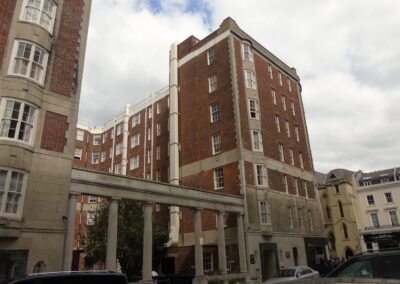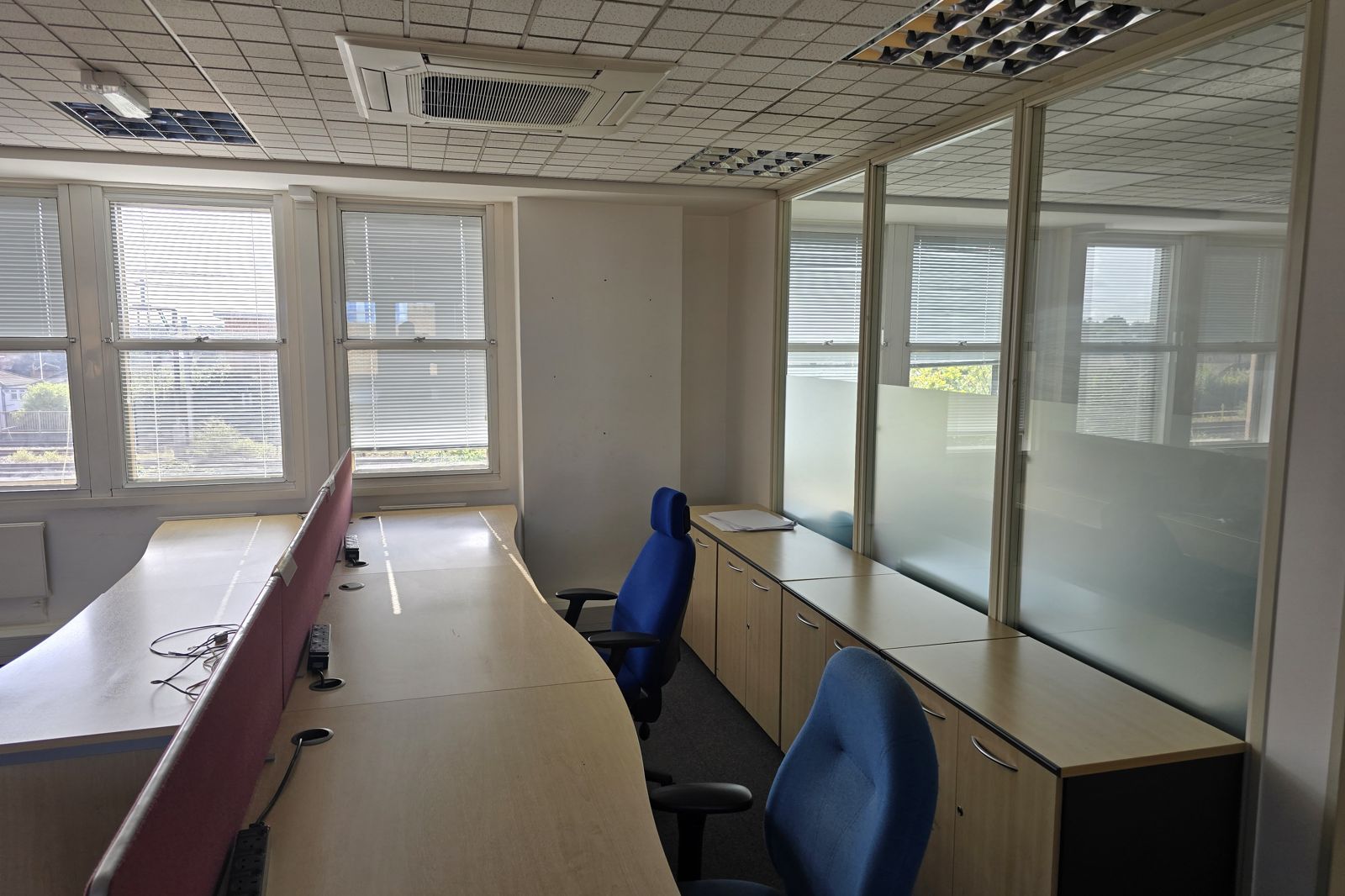
The property
Multi-floor office premises in an east London town centre, let to a corporate tenant, at the end of the term.
The brief
The landlord, a property company, needed the tenant’s repairing obligations enforced at lease expiry with a claim that would withstand scrutiny from the tenant’s professional advisers from the day it was served.
What we did
- Verify the basicsThe lease and its covenants analysed, and the building’s status checked against the Historic England register, local listing and conservation area designations, so the specification assumed nothing.
- Record every breachEach item referenced to its lease clause and costed.
- Evidence itAn appendix of over two hundred and sixty site photographs.
- Quantify honestlyWorks, preliminaries, a stated contingency, fees, health and safety input, schedule costs and loss of rent itemised. Where the landlord could recover VAT, none was claimed.
- Serve with the protocolA proposed meeting between advisers and a stated period for the tenant’s response attached.
The RICS standard
Dilapidations claims are governed by the RICS professional standard Dilapidations in England and Wales, alongside the Dilapidations Protocol. Damages are capped under section 18(1) of the Landlord and Tenant Act 1927 at the loss in value of the landlord’s interest, which is why every item has to be evidenced and costed.
In dilapidations, an item that cannot be shown is an item that will be argued.
The outcome
A claim verifiable item by item and photograph by photograph, which is what the Dilapidations Protocol rewards, and what positions a claim to settle rather than to litigate.