The loss
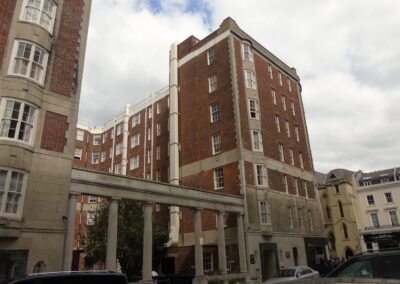
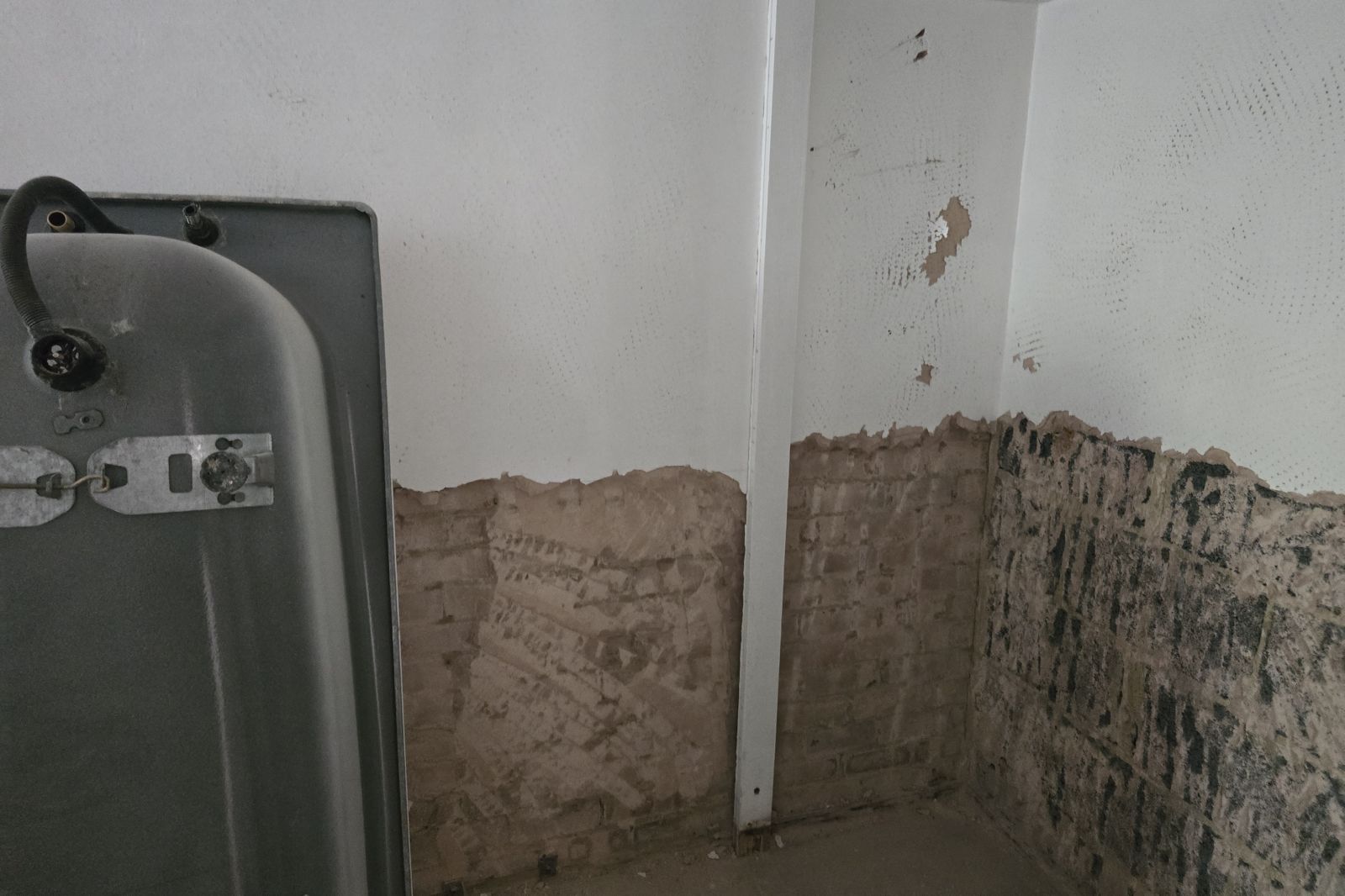
An escape of water in a residential block in Essex, damaging two flats. Water losses are deceptive: the visible damage is the start of the scope, not the end of it, and the reinstatement has to satisfy three parties at once, the leaseholders who live there, the client, and the insurer’s loss adjuster who pays for it.
The brief
Avalon was instructed to specify, procure and administer the reinstatement of both flats under one contract, with the specification and cost breakdown prepared so the loss adjuster could scrutinise and agree the scope line by line.
What we did
- One specificationBoth flats specified in a single combined tender specification, itemised to the level an insurance claim demands.
- Adjuster alignedThe specification issued to the loss adjuster, so what was tendered was what the claim would fund.
- Competitive tenderThe works tendered and let under JCT Minor Works 2024.
- AdministeredInterim certificates against inspected progress and practical completion formally certified.
- ClosedAn agreed final account and the final certificate issued.
In insurance reinstatement, every pound must be traceable from the peril to the repair.
The RICS guidance
The reinstatement contract was administered to the RICS Black Book guidance on interim valuations and payment and final account procedures. On an insurance claim, that is what gives the loss adjuster a certified figure to rely on. Specification, tender and administration together make up the end to end appointment in the Building Surveyor Services schedule used with the RICS Standard Form of Consultant’s Appointment (April 2025 edition).
The outcome
Running the chain through one practice meant the client was never caught between what the insurer agreed and what the contractor built.