The property
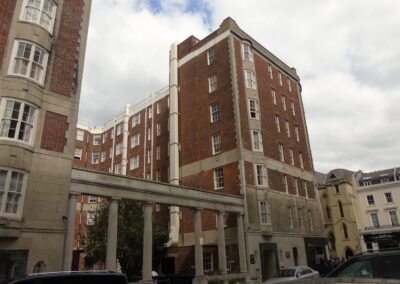
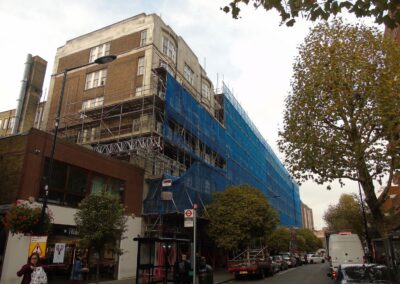
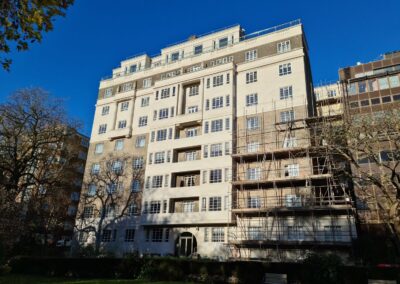
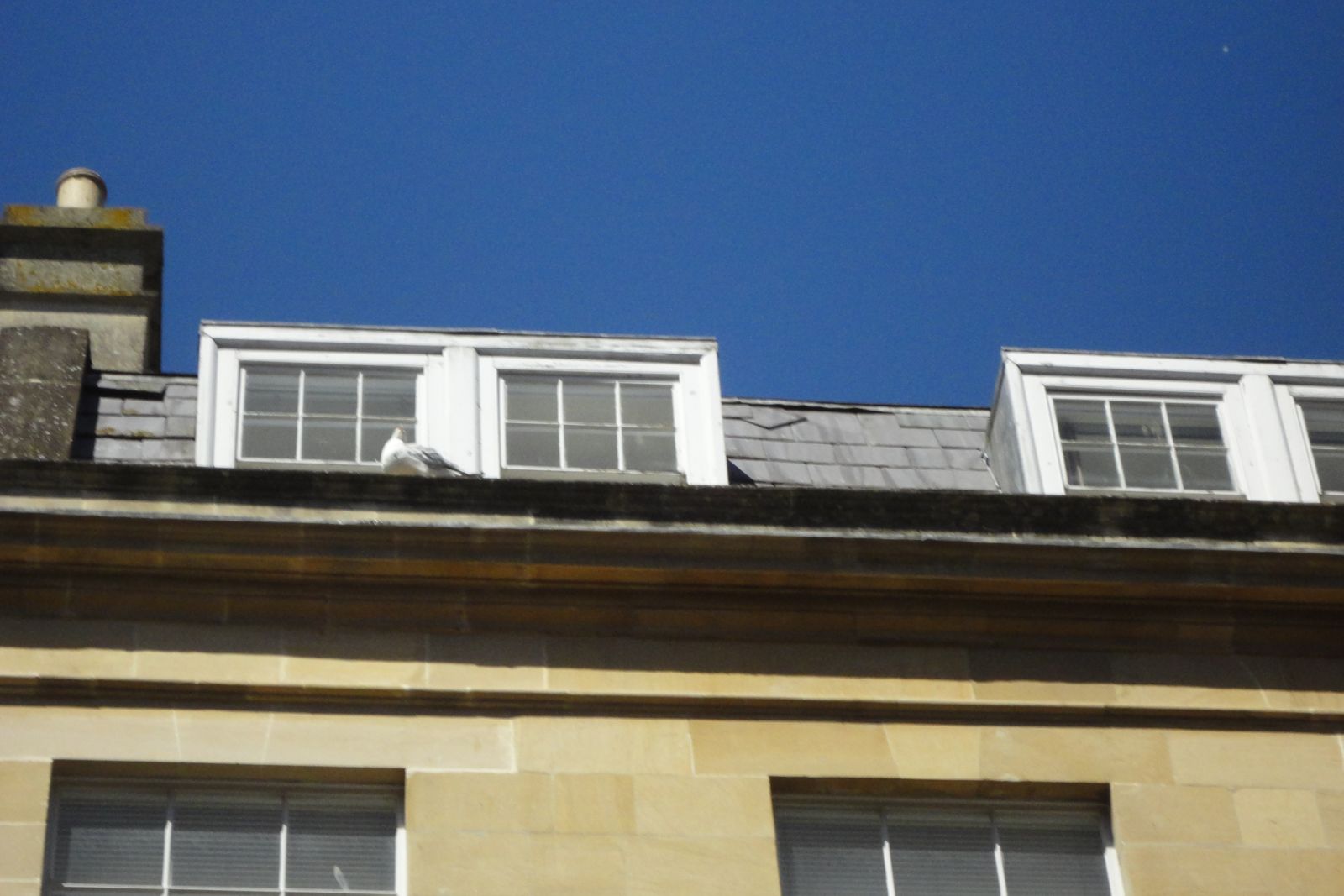
Apartments within a listed building in a World Heritage city in the west of England, where individual flat owners proposed alterations to their homes.
The brief
Alterations inside a listed building need Listed Building Consent even when they are invisible from the street, and owners of flats in such buildings often discover this at the worst possible moment. Two owners in the same building, instructing separately, needed their proposals taken through the consent process properly: the heritage case made, the application managed, the consent secured.
What we did
- Defined appointmentEach owner appointed Avalon under a defined planning and Listed Building Consent service agreement, so they knew exactly what it covered and cost.
- Heritage case madeThe heritage statement drafted and refined until the case was properly made: the significance, what changes, and why the change is acceptable.
- Application managedTaken through the local authority, engaging with the conservation officer’s requirements, to consent.
The standards and legislation
Listed Building Consent is required under the Planning (Listed Buildings and Conservation Areas) Act 1990 for any works that affect a listed building’s special interest, internal works included. The drawings and specification follow the RICS guidance Design and specification.
Why repeat instructions matter
The second owner’s instruction followed the first, in the same building, months apart. A practice that has already argued the significance of a building, and knows how its conservation officer thinks, secures the next consent in that building faster and with less friction.
For owners, the practice’s file on the building is worth as much as its letterhead.