The situation
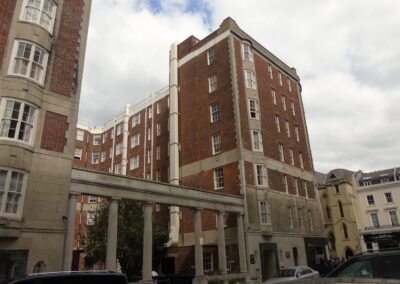
Works to a residential property in London fell within the Party Wall etc. Act 1996, engaging the rights of the adjoining owners on both sides. Two separate awards would be needed, one for each neighbouring property, before the notifiable works could lawfully proceed.
Why the Act matters
The Party Wall etc. Act exists to let building owners carry out works to shared and boundary structures while protecting the neighbours those works could affect. It is a statutory process with formal steps. Skipping or shortcutting any step exposes the building owner to injunction and the neighbour to unrecorded damage; done properly, it protects both.
What we did
Avalon acted as party wall surveyor in the statutory process for both adjoining properties.
- Schedules of conditionEach neighbouring property inspected and its condition recorded in detail before works began.
- Awards negotiatedDrafts exchanged and commented on between the appointed surveyors until the terms were right.
- Awards servedOne for each adjoining owner, each defining the permitted works, methods and hours, protections, and the route to resolving anything that arose.
The RICS standard
Party wall surveyors follow the RICS professional standard Party wall legislation and procedure when acting under the Party Wall etc. Act 1996. RICS describes the role as “a statutory appointment that is personal to the surveyor”: whoever makes the appointment, the surveyors act impartially between the owners.
Party wall procedure is one of the few parts of construction where the paperwork is the protection; it has to be right before the first tool is lifted.