The property
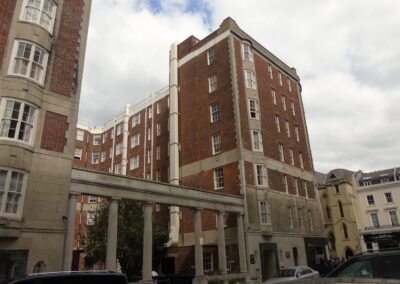
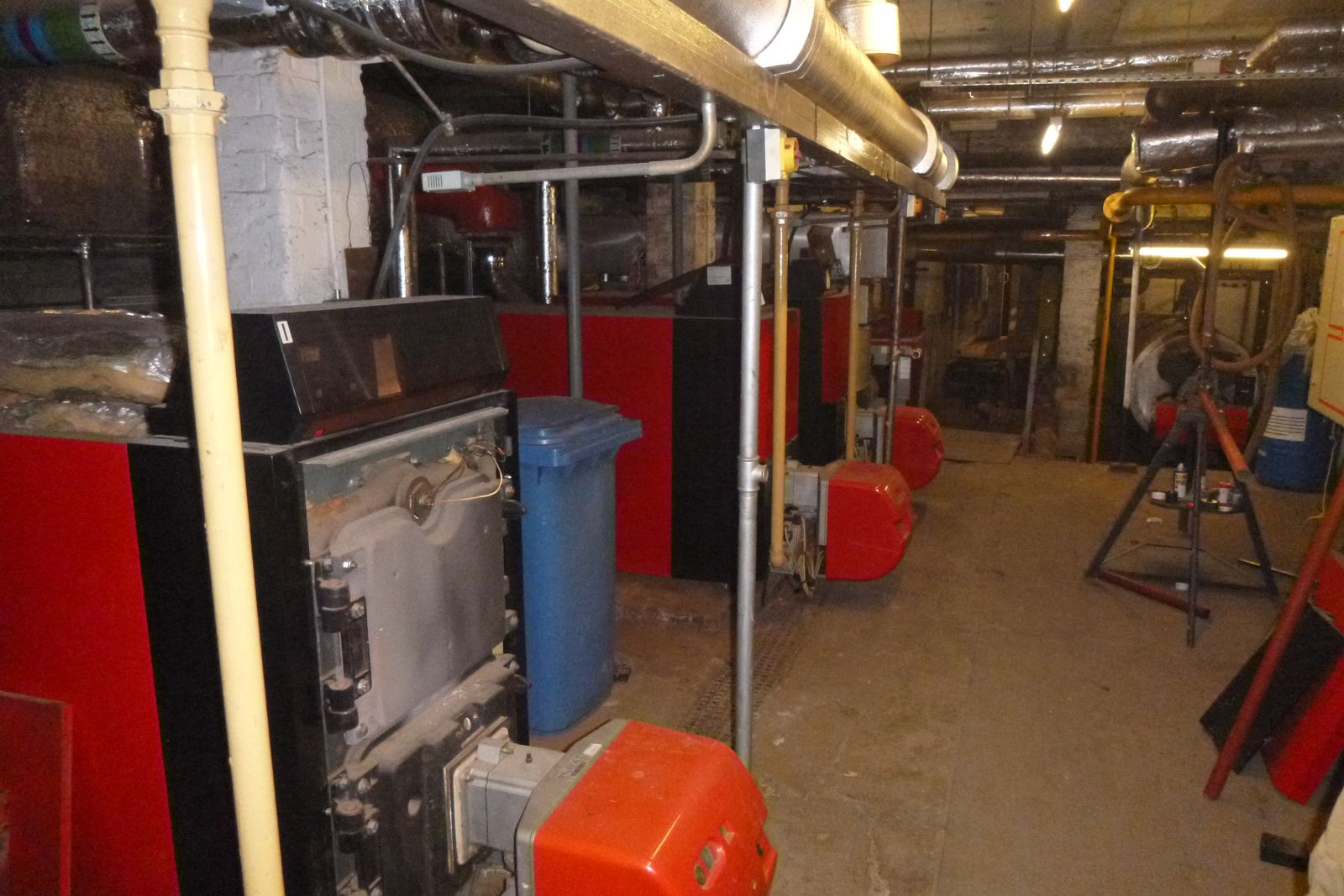
A substantial mansion block in central London whose combined communal space heating and hot water system was failing, with residents reporting loss of heat and function.
The brief
Renewing a communal heating system in an occupied block is a six figure decision that is very hard to reverse. Before anyone committed, the client needed the options properly appraised: what could technically be done, what each route would cost over its life, what approvals and stakeholders stood in the way, and where the risk of abortive expenditure sat.
What we did
Following repeated inspections of the installation and the building, we prepared a feasibility report structured around the decision itself.
- Options set outExtension or renewal, each tested for technical feasibility against the block’s loading requirements.
- Engineering inputSpecialist engineering commissioned and incorporated.
- Approvals and stakeholdersLocal authority approvals and the stakeholders whose cooperation the works would need, mapped.
- Abortive works riskThe risk of abortive expenditure stated for each route.
- Life cycle costedEach option given an outline cost and compared over its life, not on installation price alone.
The cheapest system to fit is rarely the cheapest system to run for twenty years.
The RICS guidance
Appraising options, outline costs and approvals before anything is designed sits at the start of the Building Surveyor Services schedule used with the RICS Standard Form of Consultant’s Appointment (April 2025 edition).
The outcome
The client received a single document with a clear recommendation, so the committee decision could be taken once and explained to residents afterwards.