The problem
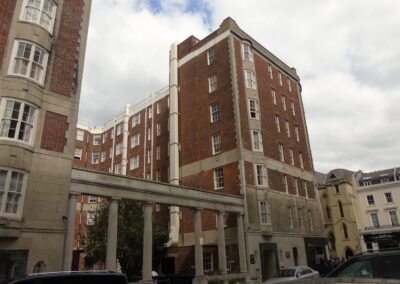
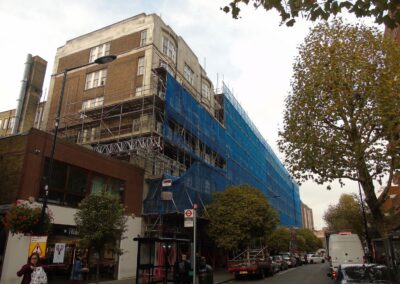
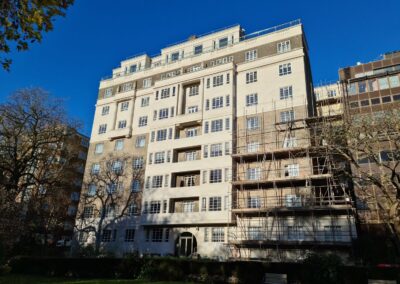
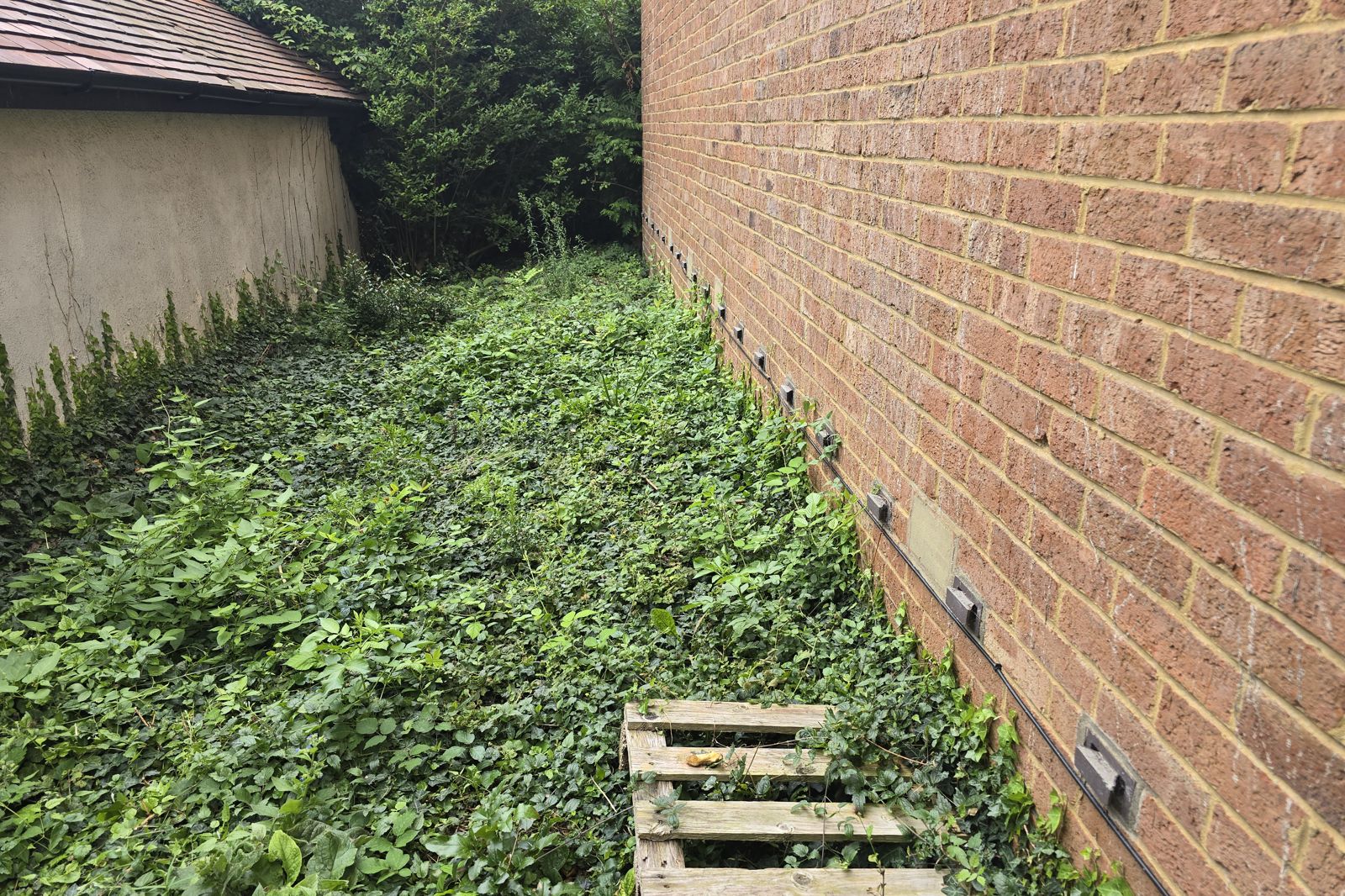
Damp in a residential block in south London, reported to the managing agent. Damp is often misdiagnosed, because damp is not a defect at all: it is a symptom, and the same stain on a wall can be caused by condensation, penetrating moisture, rising moisture, a plumbing escape or a failed detail, each with a completely different remedy and a completely different bill.
The brief
The agent needed the cause established before any money was spent, with a report that would stand behind whatever works followed and address the legal and regulatory context that damp in tenanted property now carries.
What we did
The investigation was structured the way moisture diagnosis has to be, in five steps, so that each recommendation attacks a proven cause rather than a visible symptom.
- The building firstIts construction, its details and how it was designed to manage water.
- Moisture behaviourThe moisture behaviour actually occurring in the building, understood before any opinion.
- Condition assessmentA detailed assessment of the building’s condition.
- Defect by defectEach moisture-related defect analysed individually, not bundled under one word.
- DiagnosisCausation reasoned from the evidence, defect by defect.
The report closed with the recommendations, the legal and regulatory considerations that apply to moisture in residential property, and a photographic appendix evidencing the findings.
Why method matters here
Money spent on damp without a diagnosis is usually spent on the wrong thing: injected chemical courses into walls suffering condensation, redecoration over active penetration, dehumidifiers fighting a leak. A moisture investigation costs a fraction of the wrong repair and is the only thing that makes the right repair possible.
Damp is not a defect at all: it is a symptom, and the same stain on a wall can have five different causes, each with a different remedy and a different bill.
The professional guidance
The staged method above follows the whole building approach set out in the joint position statement by RICS, Historic England and the Property Care Association, Investigation of moisture and its effect on traditional buildings: understand the building, then how moisture is behaving in it, before any defect is diagnosed. The inspection and report sit within the RICS guidance note Surveying assets in the built environment.
The outcome
The agent received a document to instruct works from and to rely on afterwards.