The loss
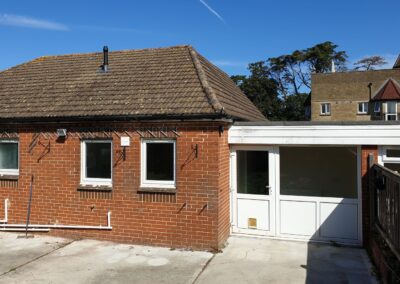
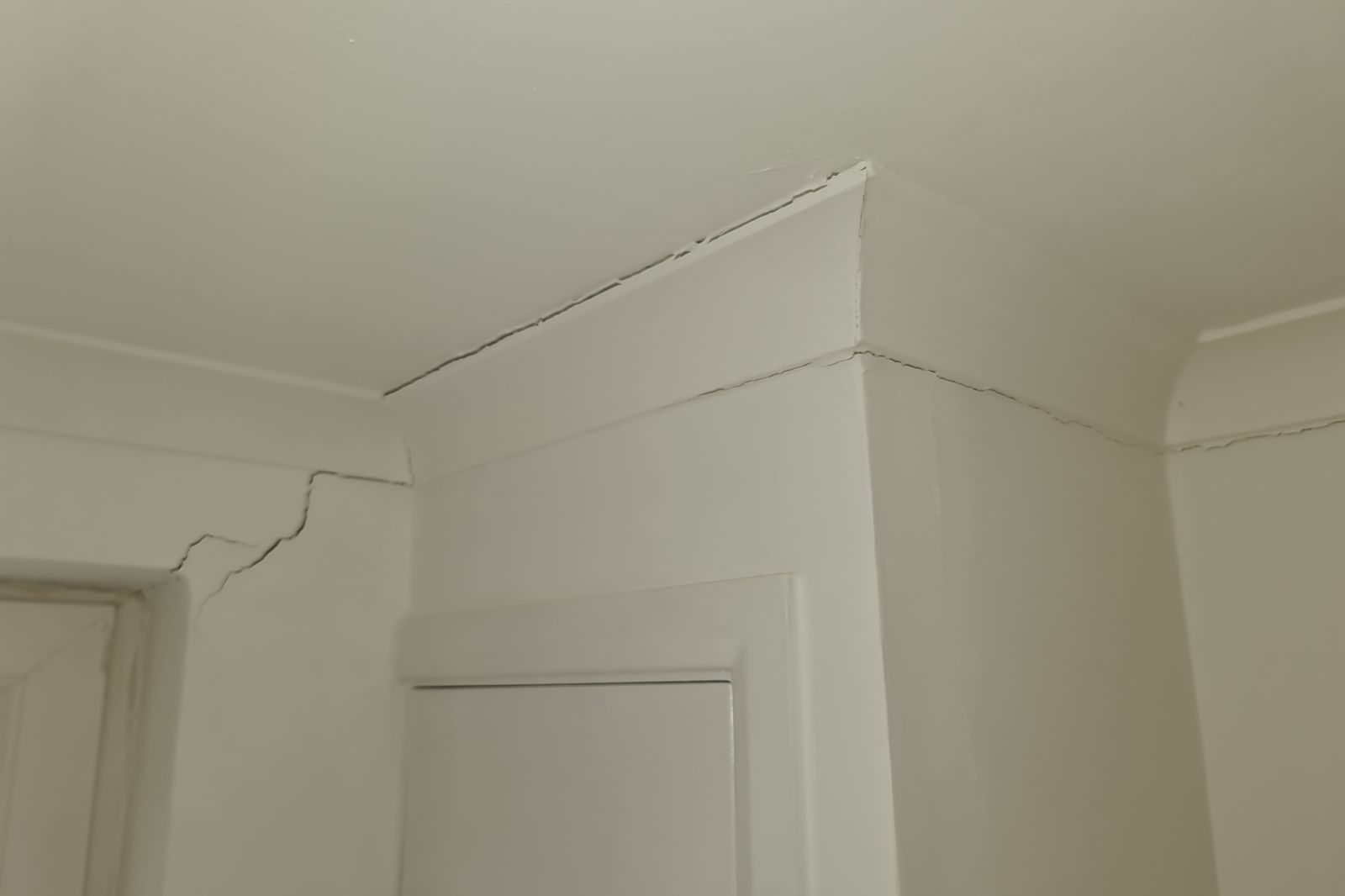
Cracking to two neighbouring houses in south west London, on London Clay, with mature trees close by: the classic ingredients of a subsidence claim. Subsidence is the peril where the diagnosis is the claim, because until the cause is proven, nobody can say what the repair is, what it costs, or whether it will hold.
The brief
Acting for the policyholders in the claim across both properties, Avalon’s job was to establish the cause with evidence that would satisfy the insurer, specify the right repair rather than the biggest one, and administer the works through to account.
Investigation before opinion
The investigation was run as a programme, not a site visit. Five strands of evidence, each pointing the same way:
- Trial pitsExcavated at agreed locations to expose the foundations and the ground beneath them.
- Laboratory soil testingHigh plasticity clay with significant desiccation to a depth of two metres, ground that shrinks as it dries.
- Root identificationRoots recovered from the pits identified, narrowing the vegetation implicated.
- Arboricultural reportA high water demand poplar within influencing distance of the rear of both houses.
- Level monitoringPrecise levels at fixed stations on both houses, read over time and graphed.
Clay-shrinkage subsidence is proved by movement over seasons, not by a photograph of a crack.
From cause to repair
With causation evidenced, geology, desiccation, roots, vegetation and monitored movement all pointing the same way, the findings were drawn together in summary and update reporting so the claim could move, and the repair works were then specified, valued and carried through to a final account within the claim.
The RICS guidance
The investigation and reporting followed the RICS guidance note Surveying assets in the built environment, which sets out how a surveyor inspects, investigates and reports on a building’s condition and defects. The repair works were then valued and closed to the RICS Black Book guidance on final account procedures, as part of an appointment under the Building Surveyor Services schedule used with the RICS Standard Form of Consultant’s Appointment (April 2025 edition).
The outcome
A claim that moved on evidence at every step.
In subsidence, the cheapest part of the project is proving the cause properly; everything built on a wrong diagnosis is money spent twice.